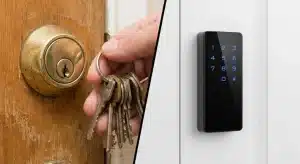
For generations, the standard for home security in Pennsylvania was a heavy brass key and a deadbolt. Whether you lived in a row home in South Philly or a farmhouse in Lancaster County, the ritual was the same: check your pockets, fumble for the key, and hope you didn’t lose it.
But as we move further into 2025, the physical key is rapidly becoming a relic. Modern lock technology has transformed the front door from a barrier into a smart access point, offering homeowners unprecedented control over their property. For residents of Pennsylvania, where historic architecture meets harsh winter weather, this shift brings unique challenges, and massive benefits.
Beyond the Deadbolt: The Shift to Smart Connectivity
The most significant change in home security is the move from “exclusion” to “management.” Traditional locks are binary; they are either locked or unlocked, and they cannot tell you who opened them. Modern smart locks introduce the concept of an “audit trail.”
This technology allows you to see exactly when your door was opened and by whom. For working families, this provides peace of mind when checking if children arrived home safely from school. For residents in areas like the Poconos who may own vacation rentals, it eliminates the risky practice of hiding keys under doormats. Instead, you can issue temporary digital keys that expire automatically after a guest checks out.
Top Technologies Defining 2025 Security
If you haven’t shopped for a lock in the last five years, the technology available today might surprise you. Manufacturers are now integrating military-grade encryption and biometric data into residential hardware.
Biometric Access Fingerprint scanners have become standard on high-end locks, but the newest tech includes facial recognition and palm-vein scanning. These systems are incredibly fast, unlocking the door in under a second as you approach. This is particularly useful for urban residents carrying groceries or parents holding children, where digging for a phone or key is inconvenient.
Video Integration The line between a doorbell camera and a lock is blurring. New “video smart locks” combine a 2K resolution camera, a doorbell, and a smart deadbolt into a single device. This reduces the clutter on your doorframe and ensures that the camera is always pointed exactly where it needs to be: at the person trying to enter.
Geofencing and Auto-Lock Using the GPS on your smartphone, modern locks can detect when you leave a set perimeter around your home and automatically throw the bolt. Conversely, they can unlock as you pull into the driveway. This feature effectively cures the “did I lock the front door?” anxiety that plagues so many commuters.
The Pennsylvania Factor: Weather and Infrastructure
While smart technology is exciting, Pennsylvania residents have two specific hurdles that homeowners in warmer, newer states like Arizona or Florida do not face: extreme cold and historic door frames.
Battling the PA Winter
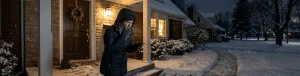
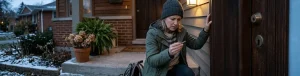
Pennsylvania winters can be brutal on electronics. In January and February, temperatures frequently drop well below freezing. Standard alkaline batteries used in many first-generation smart locks can fail in these conditions. If you find yourself stuck outside due to a frozen lock or battery failure, a local emergency locksmith can help, but it is better to be proactive.
If you are upgrading your security in this region, it is vital to look for locks with a weather rating of at least IP65, which guarantees protection against dust and low-pressure water jets (like wind-driven rain). Furthermore, local locksmiths highly recommend using lithium batteries rather than alkaline. Lithium handles the freeze-thaw cycle much better, ensuring you aren’t locked out during a Nor’easter.
Historic Homes and Mortise Locks
Pennsylvania has some of the oldest housing stock in the country. Many homes in Philadelphia, Pittsburgh, and older boroughs feature “mortise locks”, those large, rectangular lock bodies embedded into the door edge.
Most standard DIY smart locks sold at big-box stores are designed for modern, cylindrical bore holes. They simply will not fit a vintage door without significant carpentry work. Fortunately, new “retrofit” smart locks have entered the market. These devices replace only the interior thumb-turn of your lock, allowing you to keep the vintage exterior hardware and the original key while adding smart functionality to the inside. This is a game-changer for preserving the historic curb appeal of PA homes while upgrading security.
Financial Incentives: Insurance and Value
Upgrading your lock technology is an investment, but it is one that can pay dividends. Many insurance providers in Pennsylvania now offer discounts on homeowners insurance premiums for installed “smart home security systems.”
Because smart locks often include forced-entry alarms (which sound a siren if someone tries to kick the door) and remote monitoring, insurers view them as risk-mitigation devices. Discounts typically range from 2% to 10%, depending on whether the lock is monitored by a professional security service.
Additionally, smart security is becoming a selling point in the real estate market. Buyers, especially millennials and Gen Z, view keyless entry as a standard expectation rather than a luxury. A home equipped with a Z-Wave or Wi-Fi connected entry system implies the house is modern and well-maintained, potentially increasing perceived value.
Installation: DIY vs. Professional Help
The final consideration is installation. While many smart locks are marketed as “install in 15 minutes with a screwdriver,” the reality in Pennsylvania is often different due to the settling of older foundations.
If your current deadbolt sticks, rubs against the strike plate, or requires you to push on the door to get it to lock, a smart lock will struggle. The motor in a smart lock needs a smooth, friction-free path to extend the bolt. If there is resistance, the battery will drain in days, or the motor will burn out.
For newer construction, a DIY approach is perfectly feasible. However, for those living in older properties with alignment issues or non-standard doors, hiring a professional locksmith is often more cost-effective in the long run. They can re-align the door and drill proper pilot holes to ensure the technology functions seamlessly for years.
Conclusion
Home security is no longer just about the strength of the steel in your deadbolt; it is about the intelligence of the system controlling it. For Pennsylvania homeowners, the transition to modern lock technology offers a blend of convenience, safety, and oversight that mechanical keys simply cannot match.
Whether you are looking to protect a historic row home or manage a mountain cabin remotely, there is a solution that fits your needs. As winter approaches, now is the perfect time to evaluate your entry points and consider if your home is as smart, and secure, as it could be.
Upgrade Your Home Security with U.S. Premier Locksmith
Don’t let Pennsylvania’s harsh winters or historic door frames stand between you and a more secure home. Whether you’re looking to upgrade to biometric access or need a specialized retrofit for a vintage mortise lock, U.S. Premier Locksmith is here to help. Our expert technicians understand the unique architectural needs of PA homes and provide professional, seamless installations that DIY kits just can’t match.
Ready to ditch your keys for a smarter, safer home? Contact U.S. Premier Locksmith Today for a Free Quote or call us to discuss the best high-tech security solutions for your property!