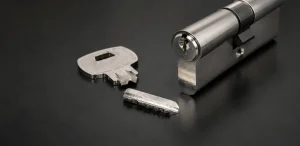
In Pennsylvania, we demand a lot from our locks. They have to withstand humid summers, freezing winters, and the daily wear-and-tear of busy households. Yet, most homeowners rarely think about their locks until the key snaps in the cylinder or the deadbolt refuses to turn.
Waiting for total failure is a security risk you cannot afford. A compromised lock is an open invitation to intruders, statistics show that nearly 34% of burglars enter through the front door.
At U.S. Premier Locksmith, we want you to recognize the red flags before an emergency happens. Whether you live in a historic row home in Philadelphia or a single-family house in the suburbs, here are the critical signs that your locks need to be replaced immediately.
1. The “Pennsylvania Freeze” Damage (Stiffness and Rust)
Pennsylvania’s climate is notorious for its “freeze-thaw” cycles. In winter, moisture gets inside your lock mechanism. When the temperature drops overnight, that moisture freezes, expanding and putting immense pressure on the internal springs and pins.
If your lock feels stiff or “crunchy” even after the weather warms up, the internal components have likely corroded or warped.
- The Test: Does the key turn smoothly, or do you have to jiggle it? If you are fighting your door every time you come home, the metal has fatigued. It is only a matter of time before it fails completely, potentially leaving you locked out in the cold.
2. Your Lock Has Been Tampered With
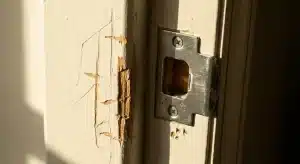
This is the most urgent sign on the list. If you notice strange scratch marks around the keyhole, shiny metal edges that weren’t there before, or if the keyhole looks slightly deformed, someone may have attempted to pick or “bump” your lock.
“Lock bumping” is a technique where intruders use a specially cut key to force the pins open. It often leaves little trace, but if your lock suddenly feels different or loose, do not ignore it. Replace the unit immediately with a high-security, bump-resistant deadbolt to ensure your family’s safety.
3. Visible Misalignment (The Door Won’t Latch)
Have you noticed that you have to pull up on the handle or push your shoulder against the door just to get the deadbolt to click into place?
While this can sometimes be fixed by adjusting the strike plate, it is often a sign of a deeper issue. In many older Pennsylvania homes, especially those with wooden frames, the house settles and shifts over decades. If the bolt and the strike plate are constantly grinding against each other, the deadbolt itself can become damaged and weakened. A deadbolt that doesn’t fully extend into the doorframe provides almost no protection against a kick-in attack.
4. You Have “Vintage” Mortise Locks
If you live in an older property or a historic row home, you might have a mortise lock. These are the large, rectangular boxes fitted inside the door rather than just a cylinder drilled through it.
While these locks are durable and beautiful, many of them are 50+ years old. If the latch is drooping, or if the lock often gets stuck in the “locked” position, the internal springs have likely shattered. Unlike modern tubular locks, these are complex to repair. If your vintage lock is failing, it is safer to upgrade to a modern, high-security mortise replacement that keeps the classic look but adds modern protection.
5. You Recently Moved or Lost a Key
This is a rule of thumb for every new homeowner: You never know who has a copy of the old key.
Previous tenants, contractors, dog walkers, or neighbors might still have access to your home. While you can often just “rekey” the lock (change the internal pins) in this scenario, moving is also the perfect time to evaluate the quality of the hardware. If the existing locks are cheap, Grade-3 hardware from a big-box store, simply rekeying them isn’t enough. Treat your new home to a fresh start with Grade-1 or Grade-2 security locks.
The Big Question: Should I Rekey or Replace?
Many customers ask us if they can just repair their current locks. Here is the honest breakdown:
| Situation | Solution | Why? |
| Lost Keys | Rekey | If the hardware is healthy, we just need to change the key code so old keys don’t work. |
| Stiff/Rusted Lock | Replace | Internal corrosion cannot be permanently fixed. The lock is nearing the end of its life. |
| Damaged Hardware | Replace | If the latch is broken or the cylinder is cracked, the security integrity is gone. |
| New Home | It Depends | Rekey if the locks are high-quality; Replace if they are old or low-security brands. |
Don’t Wait Until You’re Locked Out
Your locks are the first line of defense for your family and your assets. If you recognized any of the signs above, the time to act is now, not after a break-in or a lockout occurs.
U.S. Premier Locksmith provides expert, mobile service across Pennsylvania. We don’t just swap parts; we assess your specific door frame and security needs to recommend the perfect solution.
Need a professional opinion?
If your lock is acting up, don’t force it. Contact us today for a security inspection or an immediate replacement. Let’s make sure your home stays the sanctuary it’s meant to be.